How Electronics Recycling Helps Reduce E-Waste
Eco-Friendly Approaches: How E-Waste Recycling Services Are Preserving Our Planet
E-waste represents a considerable hazard to the environment, as discarded electronics often contain toxic materials. Such dangerous compounds can pollute soil and water supplies, causing extensive damage to surrounding ecosystems. Electronic waste recycling programs offer an effective remedy. They not only recover valuable resources but also mitigate pollution. Gaining insight into how these programs function and affect local communities is critical. The path to successful electronic waste management prompts vital discussions about personal accountability and communal efforts. What actions should be considered going forward?
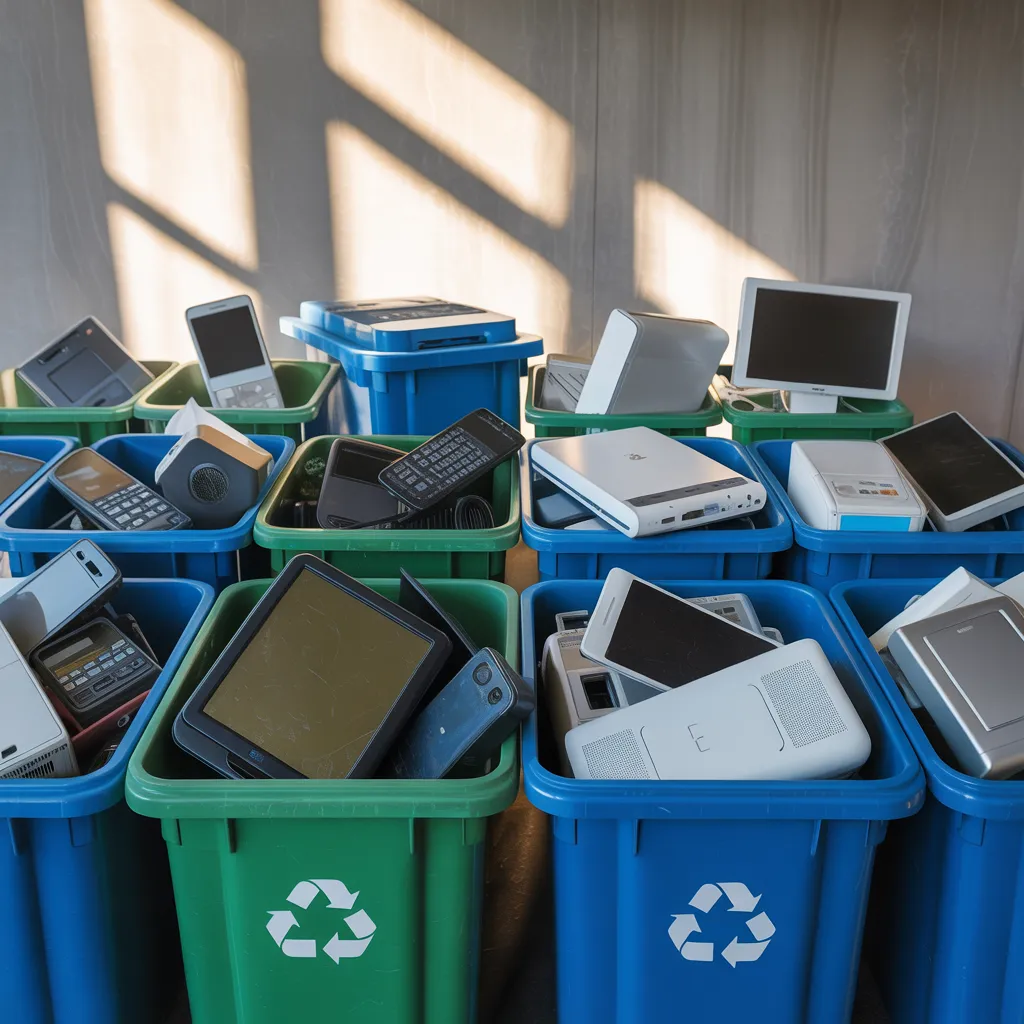
The Reasons E-Waste Is Damaging to the Planet
Even though technological advancements improve contemporary living, electronic waste presents considerable environmental hazards. Discarded electronic devices, commonly laden with dangerous compounds like mercury, lead, and cadmium, are capable of seeping pollutants into the surrounding soil and water supply, presenting dangers to ecosystems and human health. The swift progression of technology results in higher rates of electronics disposal among consumers, exacerbating the accumulation of electronic waste.
Landfills, already strained by waste, are unable to keep up with the rising quantities of abandoned electronics. Incineration, another disposal method, releases harmful pollutants into the atmosphere, contributing to air quality degradation. Furthermore, inadequate recycling methods can result in the shipment of electronic waste to underdeveloped nations, where workers may break down equipment without proper protective measures, putting themselves at risk of exposure to hazardous materials. This pattern of negligence and mismanagement highlights the critical demand for eco-friendly recycling alternatives that can reduce the damaging impact of electronic waste on the environment.
Understanding E-Waste and Its Significance
Electronic waste, commonly known as e-waste, includes unwanted electronic equipment like televisions, computers, and smartphones that have exceeded their operational lifespan. This increasingly prevalent form of waste is important owing to its accelerating volume, driven by technological advancements and consumer trends. As more devices become obsolete, the ecological consequences become more pronounced, with harmful substances like lead, mercury, and cadmium presenting serious hazards to the environment and human well-being.
Addressing e-waste is crucial not only for reducing these dangers but also for acknowledging the precious materials found within it. Critical metals and rare earth components can be reclaimed and recycled, decreasing the reliance on mining and protecting natural resources. By understanding e-waste and its implications, individuals and organizations can make informed decisions about disposal and recycling, ultimately contributing to a more sustainable future. Proper management of e-waste is essential for fostering a circular economy and promoting environmental stewardship.
How the E-Waste Recycling Process Works
The recycling of e-waste encompasses a systematic process designed to recover valuable materials while limiting ecological damage. At the outset, electronic waste is gathered and delivered to purpose-built recycling plants. Upon arrival, the devices undergo thorough sorting to separate hazardous components from recyclable materials.
After this step, workers take apart the electronics, removing plastics, metals, and glass. This phase is essential, as it allows for the extraction of high-value metals like copper, gold, and silver, which may be utilized in new electronic devices.
Next, the separated materials are treated via advanced techniques, such as shredding and specialized chemical treatments, to prepare them for recycling.
In the final step, the leftover dangerous materials are managed properly, following environmental regulations. This systematic method not only conserves resources but also minimizes the hazards linked to irresponsible electronic waste disposal, guaranteeing a greener future for electronic device usage.
Benefits of E-Waste Recycling for You and Your Community
While many individuals may not realize it, the advantages of e-waste recycling reach well past personal use to meaningfully influence entire communities. By responsibly disposing of electronic waste, individuals help foster a safer environment, reducing harmful substances that can seep into soil and water. This responsible method actively safeguards local ecosystems and advances public health.
Furthermore, the recycling of e-waste encourages job creation within communities. Community recycling operations commonly require workers for various operations, including collection and processing, thereby providing employment opportunities for community members. This not only enhances the community economy but also promotes community participation in sustainable initiatives.
Furthermore, awareness of e-waste recycling has the potential to generate awareness campaigns, enabling residents to adopt eco-friendly choices. By taking part in e-waste recycling programs, individuals promote a culture of sustainability, motivating others to join the movement. Overall, the shared impact of these actions can create a more strong and environmentally aware community.
How to Pick an E-Waste Recycling Service
Picking the best e-waste disposal service is essential for guaranteeing that electronic refuse is processed responsibly and sustainably. Initially, individuals should verify the provider's certifications, such as e-Stewards or R2, which indicate compliance with professional guidelines for responsible recycling methods. It's also important to examine the provider's reputation by reviewing feedback and looking for recommendations from trusted sources.
Next, transparency in the recycling process is vital. A trustworthy provider should supply straightforward details about the manner in which e-waste is managed and what happens to the materials. Moreover, assessing the variety of services available can be advantageous; some companies may provide pickup services or offer incentives for recycling.
In addition, understanding local regulations regarding e-waste disposal can help inform the evaluation process. When these considerations are given priority, people are able to support successful electronic waste reduction while also advancing eco-friendly habits.
How You Can Take Part in E-Waste Recycling?
Engaging in e-waste recycling can start at the local level, where recycling centers frequently offer essential services for safe disposal. Furthermore, participating in community awareness campaigns can amplify efforts to educate others about the importance of responsible e-waste management. These initiatives not only promote sustainability but also cultivate a collective sense of responsibility toward the environment.
Community Recycling Locations
Numerous neighborhood recycling stations play an essential role in recycling electronic waste, giving communities practical solutions to dispose of electronic waste responsibly. These facilities handle a wide array of electronic devices, including aging computers, cell phones, and television sets, ensuring that harmful materials are handled safely. The majority of facilities employ experienced team members who are able to assist individuals with correct disposal techniques, underscoring the benefits of recycling compared to landfilling. In addition, several stations organize organized drop-off opportunities or appointed collection periods, allowing residents to take part with ease. By taking advantage of these neighborhood resources, community members advance a circular economy, lowering environmental harm and encouraging sustainable habits. Engaging with these centers allows communities to address e-waste pollution proactively.
Community Awareness Campaigns
Nearby organizations, schools, and enterprises can partner to arrange initiatives that encourage e-waste collection drives. Volunteers can play a pivotal role in promoting knowledge, handing out educational content, and interacting with the surrounding community. As a result of these combined actions, local inhabitants gain greater awareness and encouragement to properly recycle their e-waste, ultimately contributing to a more sustainable future.
Frequently Asked Questions
What Types of Electronics Can Be Recycled?
Many different electronics may be recycled, including laptops, televisions, smartphones, printers, computers, and gaming consoles. Furthermore, ancillary devices such as keyboards, mice, and batteries are well-suited for recycling, supporting sustainable environmental practices.
Are There Fees Involved With E-Waste Recycling?
That's correct, e-waste recycling may involve fees, subject to the facility. Some facilities impose charges for pickup or handling, while others offer free services, typically funded by the proceeds from salvaged materials.
What Are the Benefits of E-Waste Recycling for Businesses?
Businesses can benefit from e-waste recycling by reducing disposal costs, strengthening their ecological standing, adhering to regulatory requirements, recovering valuable materials, and creating potential earnings via resale, ultimately contributing to a more sustainable operational strategy.
What Happens to Data on Recycled Devices?
Data on repurposed electronics is often irretrievably wiped or destroyed during the refurbishment process. This guarantees sensitive information remains secure, Read more preventing unauthorized access while allowing resources to be recycled securely and sustainably across new manufacturing processes.
Are Broken Electronics Eligible for Recycling?
Absolutely, damaged electronics may be recycled. Numerous facilities accept broken devices, ensuring proper disposal and retrieval of recoverable materials. This effort helps lower environmental impact while supporting sustainable recycling habits to address electronic waste efficiently.